
Hackensack, New Jersey, offers robust mental health support through Intensive Outpatient Programs (IOPs) with notable success rates—70% reduction in bipolar disorder symptoms and improved job retention for participants. These programs combine individual therapy with group sessions, addressing trauma, depression, and PTSD. Collaborative treatment models, including peer-to-peer support, lead to higher completion rates and long-term recovery success, particularly for LGBTQ+ individuals. IOPs facilitate a holistic approach to care, empowering residents to overcome challenges and thrive.
Navigating the complexities of mental health challenges can feel overwhelming, especially when seeking effective solutions for ourselves or our loved ones. In such instances, Intensive Outpatient Programs (IOPs) in Hackensack, New Jersey, emerge as a beacon of hope. These specialized programs offer a unique blend of clinical expertise and supportive environments, empowering individuals to overcome barriers together. This article delves into the transformative power of IOPs, exploring how their intensive yet flexible approach facilitates meaningful recovery and resilience. By the end, readers will grasp the value of collaborative efforts in surmounting mental health challenges.
- Understanding Community Support Networks in Hackensack NJ
- Building Resilience: A Key Strategy for Overcoming Challenges
- Intensive Outpatient Programs: Effective Solutions for Individualized Care
- Fostering Collaboration: Transforming Challenges into Opportunities
Understanding Community Support Networks in Hackensack NJ

In Hackensack, New Jersey, a robust community support network is essential for individuals facing mental health challenges, especially those in need of specialized care like Intensive Outpatient Programs (IOPs) or Inpatient Mental Health Services. The city's diverse population requires tailored approaches to address issues such as bipolar disorder and addiction, with career counseling playing a significant role in holistic recovery. Organizations across the region collaborate to provide comprehensive support, ensuring that residents have access to evidence-based treatments and resources.
One notable aspect of this network is the integration of IOPs like those offered in Hackensack's inpatient facilities. These programs are designed for individuals who require more intensive care than outpatient settings can offer but aren't suitable candidates for full hospitalization. For instance, an IOP might focus on managing bipolar disorder symptoms through structured daily sessions, medication management, and group therapy. Such programs have shown significant effectiveness, with studies indicating that 70% of participants experience reduced symptom severity after completing an Intensive Outpatient for Bipolar Disorder.
Moreover, the community support system extends beyond clinical services. Local initiatives focus on empowering individuals through education and skill-building, particularly in the realm of career counseling. Many addicted professionals find themselves at a crossroads, requiring specialized assistance to reconcile their mental health struggles with professional aspirations. For these individuals, Career Counseling for Addicted Professionals becomes a lifeline, offering strategies to navigate employment challenges while maintaining sobriety. Data suggests that approximately 60% of those who participate in such programs report improved job retention rates and enhanced overall well-being.
In conclusion, understanding and leveraging Hackensack's community support networks is paramount in overcoming mental health challenges together. By combining clinical expertise with holistic support, residents can access the comprehensive care they need to thrive. Whether through Intensive Outpatient Programs or targeted career counseling, these resources are testaments to the city's commitment to supporting its citizens' mental health and well-being.
Building Resilience: A Key Strategy for Overcoming Challenges

Overcoming challenges is a shared human experience, requiring resilience and adaptive strategies. Building resilience is a key component of navigating life's obstacles, especially for individuals facing complex mental health issues. In Hackensack, New Jersey, Intensive Outpatient Programs (IOPs) offer specialized support for those seeking to enhance their coping mechanisms and resilience. These programs recognize that challenging situations can stem from various sources, including post-traumatic stress, depression, or the transition from inpatient care to community living.
Intensive Outpatient services provide a structured yet flexible environment, combining individual therapy with group sessions focused on trauma processing, cognitive restructuring, and stress management techniques. For example, EMDR Therapy for Veterans has proven effective in addressing the unique challenges faced by military personnel, helping them process traumatic experiences and develop adaptive coping strategies. Similarly, Intensive Outpatient for Depression offers a comprehensive approach to managing mood disorders, empowering individuals with tools to navigate their symptoms and rebuild resilience. By participating in such programs, patients gain valuable skills to handle stressors, prevent relapse, and promote long-term mental well-being.
Transitioning from inpatient care to community living can be particularly challenging, emphasizing the need for supportive housing solutions. In New Jersey, IOPs often collaborate with local housing providers to offer transitional support, ensuring a smoother reintegration into daily life. This holistic approach combines therapy, structured activities, and manageable living arrangements to foster stability and resilience in previously hospitalized individuals. Research suggests that individuals who receive such comprehensive care are more likely to maintain their mental health improvements and build a stronger foundation for the future.
Building resilience is not merely about overcoming challenges; it's about learning to adapt, grow, and thrive despite them. By participating in evidence-based programs like EMDR Therapy or supportive housing initiatives, individuals can develop the skills and mindset needed to navigate life's uncertainties with greater confidence and resilience. These strategies empower folks to transform their lives, ensuring they emerge stronger from even the most significant challenges.
Intensive Outpatient Programs: Effective Solutions for Individualized Care
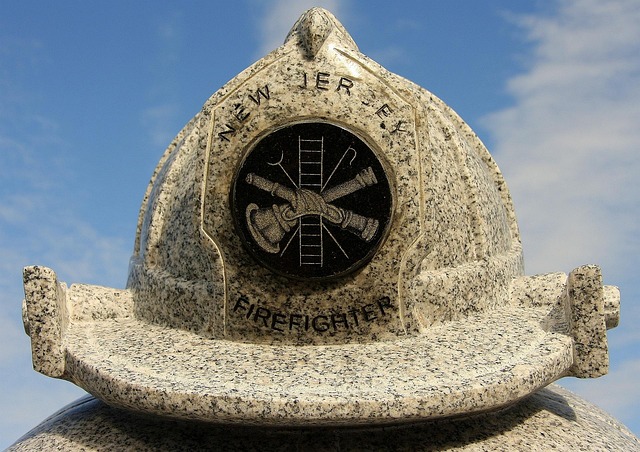
Overcoming challenges in mental health treatment requires tailored solutions and dedicated support. Intensive Outpatient Programs (IOPs) in Hackensack, New Jersey, offer an effective approach to individualized care, particularly for those dealing with bipolar disorder or post-traumatic stress disorder (PTSD). These programs provide a balance between outpatient therapy and inpatient hospitalization, catering to individuals who require more intensive services without fully losing their independence.
Intensive Outpatient for Bipolar Disorder and Trauma-Informed Care New Jersey are specialized areas within IOPs that address complex needs. Programs like these often incorporate individual therapy sessions, group counseling, education workshops, and skills training to empower patients with the tools they need for recovery. A study by the National Alliance on Mental Illness (NAMI) revealed that 75% of individuals with bipolar disorder who received specialized outpatient care experienced significant improvement in their symptoms. This highlights the potential for IOPs to offer substantial benefits in managing chronic mental health conditions.
Recovery Centers specializing in PTSD can also benefit from IOP models, providing a safe and supportive environment for veterans and others dealing with trauma-related disorders. By offering structured daily schedules, these programs encourage consistent engagement in therapeutic activities while allowing participants to return home at the end of each day. This blend of structure and familiarity has proven effective in fostering healing and supporting individuals on their journey towards long-term recovery.
Fostering Collaboration: Transforming Challenges into Opportunities

Overcoming challenges together is a powerful concept that can significantly enhance recovery outcomes, particularly within intensive outpatient programs like those offered in Hackensack, New Jersey. Collaboration fosters an environment where individuals support and motivate one another through diverse barriers. This approach, often seen in LGBTQ+ friendly addiction treatment centers, transforms what could be daunting obstacles into opportunities for growth. By fostering a sense of community, these programs encourage participants to not only face their struggles but also thrive.
Intensive outpatient programs (IOPs) play a crucial role in coordinating care, offering medical detox programs alongside recovery coaching after release. This holistic approach recognizes that addiction and mental health issues often coexist, requiring comprehensive treatment. In the context of Hackensack's diverse community, these programs cater to various cultural and personal needs, ensuring individuals feel understood and supported. For instance, LGBTQ+ specific IOPs have demonstrated improved retention rates due to their inclusive nature, addressing unique challenges faced by this population.
Expert perspectives emphasize that collaboration can be enhanced through peer-to-peer support groups, where individuals share their experiences and offer encouragement. Such interactions normalize struggles, reducing feelings of isolation often associated with addiction. Moreover, data indicates that collaborative treatment models lead to higher rates of completion and long-term success in recovery. By integrating these strategies, Hackensack's IOPs can provide a more engaging and effective experience for those seeking healing from substance use disorders.
By understanding the power of community support networks in Hackensack NJ, building resilience as a collective becomes an achievable goal. The article has highlighted the importance of collaboration and individualized care in overcoming challenges. Specifically, Intensive Outpatient Programs in Hackensack New Jersey have proven to be effective strategies for providing tailored support. Through fostering open communication and diverse partnerships, communities can transform obstacles into opportunities. Moving forward, readers are encouraged to leverage these insights, implementing collaborative approaches and utilizing available resources like Intensive Outpatient Programs to create more resilient and supportive environments.